Answer: Proteoses then peptones then dipeptides.
- A Proteoses then peptones then dipeptides
- B Peptides then peptones then proteoses
- C Dipeptides then peptones then proteoses
- D Peptones then dipeptides then proteoses
Correct answer: A. Proteoses then peptones then dipeptides
Explanation: Pepsin and trypsin convert proteins into proteoses and peptones, which are further broken to dipeptides and finally to amino acids by peptidases.
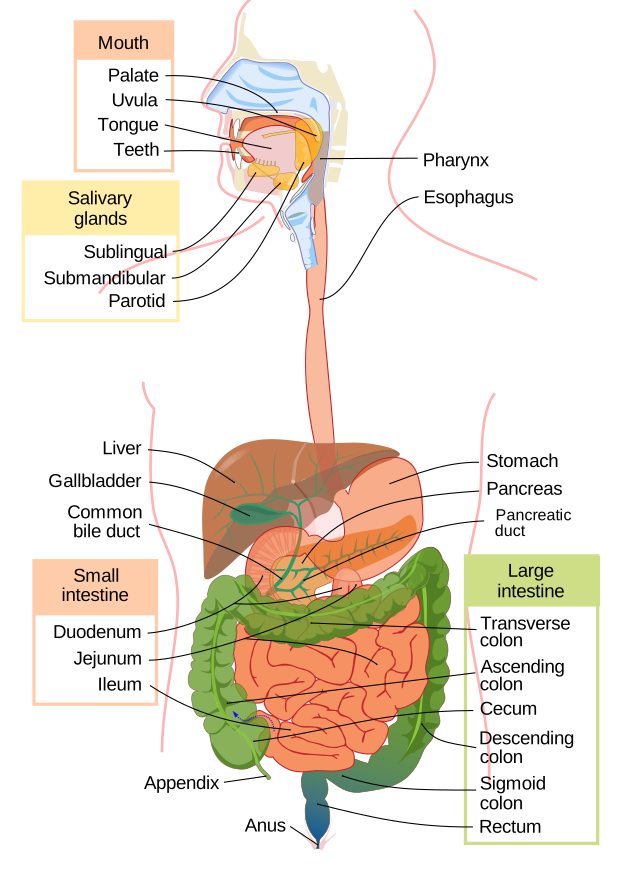
The human digestive system. Image: LadyofHats (Mariana Ruiz), Public Domain, via Wikimedia Commons.
Concept context
The digestive tract, digestive enzymes, hormonal control of digestion, and liver function. High NEET weightage.